The Ultimate Guide to Drawcord Design: From Material Selection to Aglet Customization
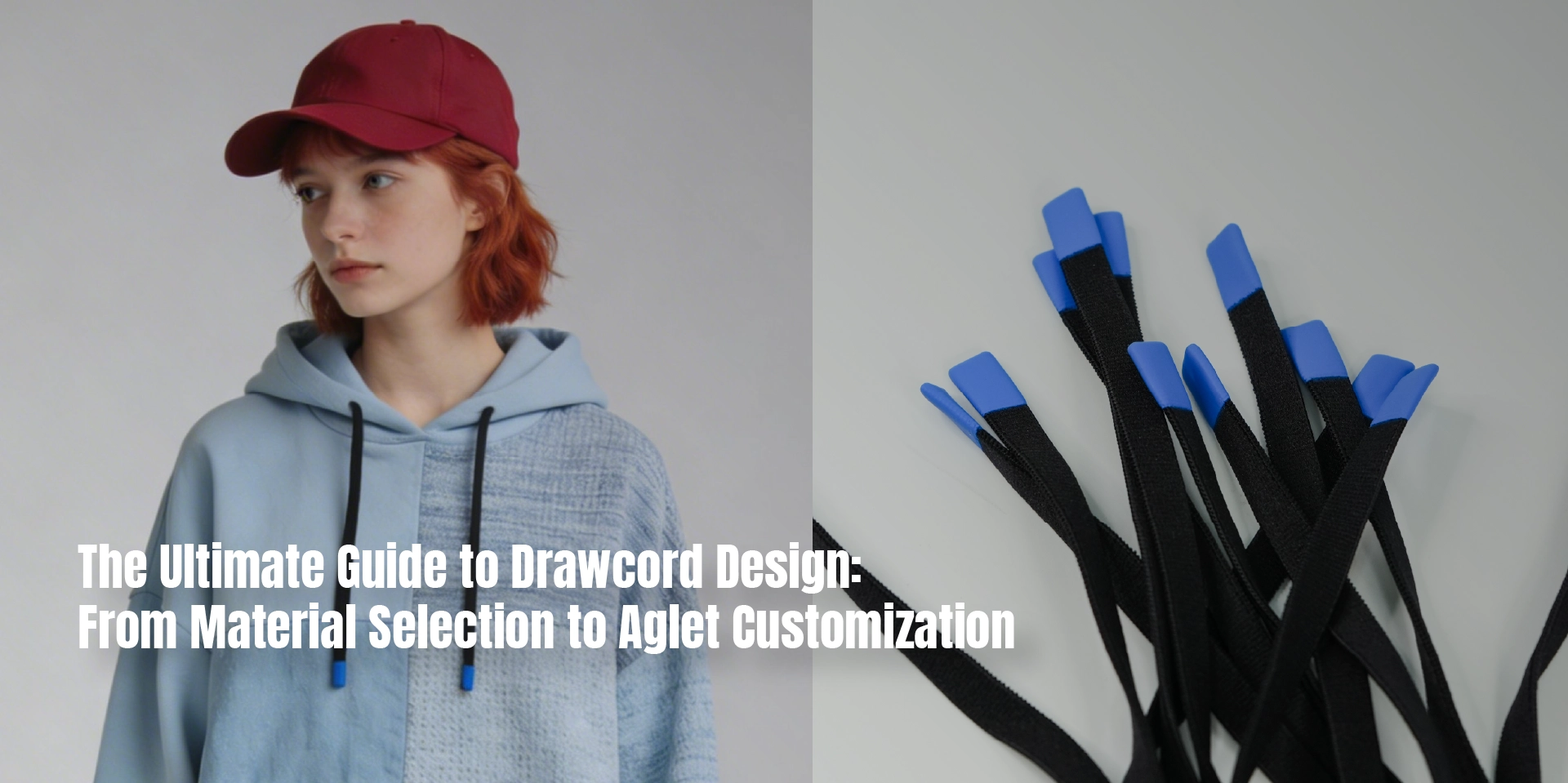
The drawcord is one of the most handled details on any garment: pulled to adjust, touched every time a hood is tightened or a waistband is set. Yet in most development processes, it is treated as an afterthought. Done well, a drawcord communicates a brand's quality and intention before a consumer reads a single label. Done poorly, it undermines everything else the garment gets right.
ECI Elastic has been engineering trims and accessories for over 50 years. We've found that drawcords deliver value on three levels: user experience, visual design, and brand perception. This guide walks through the logic of professional drawcord development — from selecting the right cord structure for each application to the aglet details that turn a functional component into a brand touchpoint.
Precision Selection: Material Logic for Every Scenario
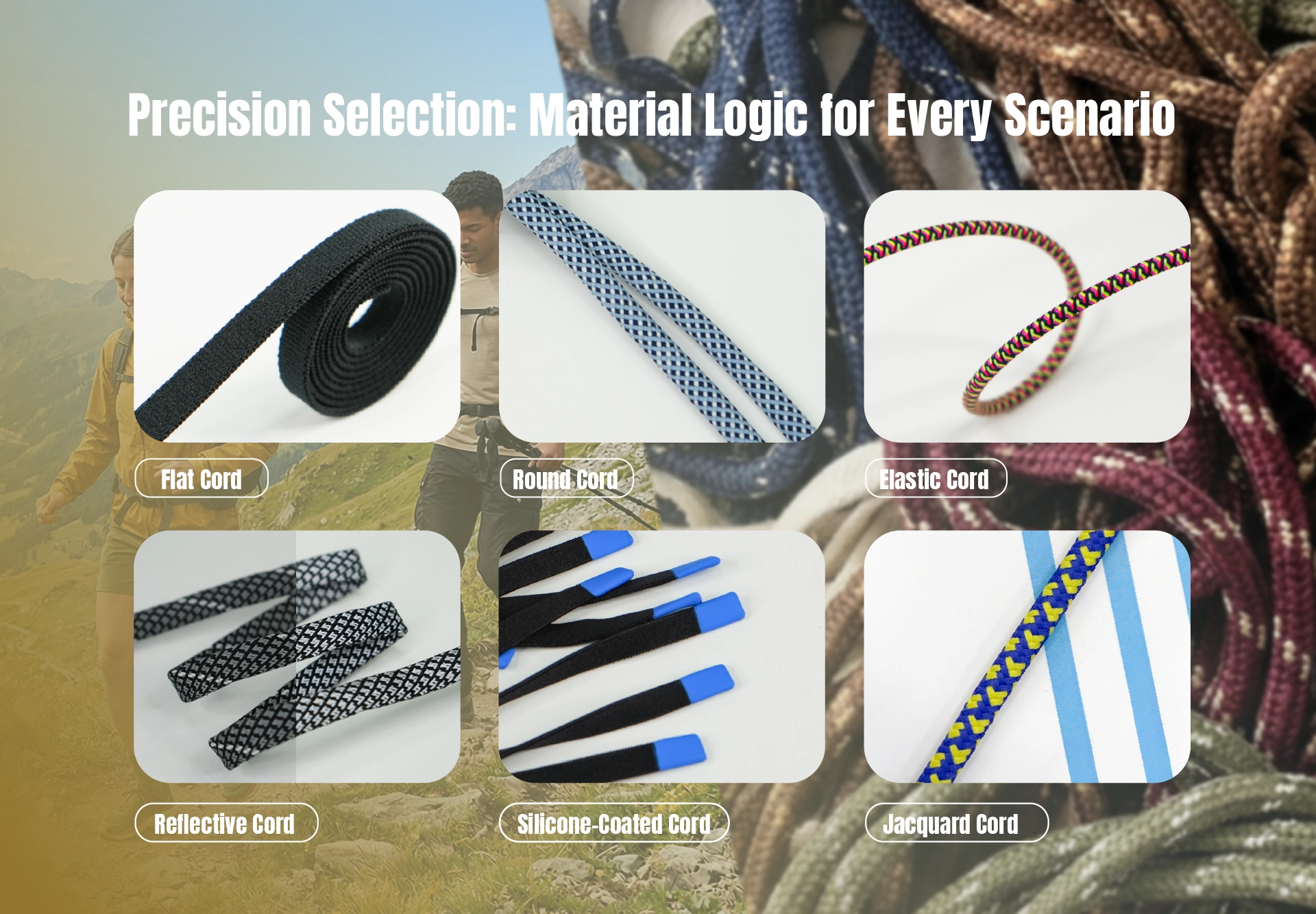
Choosing the right cord is not just a functional decision — it determines whether your design intent survives contact with the consumer. The six structures below cover the most common application needs, from everyday performance wear to technical outerwear, each with distinct mechanical properties and aesthetic outcomes.
|
Cord Type |
Key Characteristics |
Ideal Applications |
|
Flat Cord |
Even pressure distribution; seamless feel; preserves silhouette lines. |
High-waist leggings, running shorts waistbands. |
|
Round Cord |
Compact structure; strong three-dimensional look; maintains shape through eyelets. |
Hoodies, outdoor jacket adjustment cords and basketball shorts. |
|
Elastic Cord |
High weather-resistant elastane core; maintains precise rebound in extreme cold. |
Backpack expansion cords, technical jacket hems. |
|
Reflective Cord |
Reflective fibers interwoven with base yarns for functional aesthetics. |
Night running series, outdoor performance wear. |
|
Silicone-Coated Cord |
Superior grip; allows precise adjustment even with wet hands or gloves. |
Professional athletic shorts, extreme outdoor gear. |
|
Jacquard Cord |
Logos woven directly into the structure; no cracking or peeling. |
Brand identity reinforcement, structural integration. |
The Aglet: A Key Touchpoint for Brand Perception
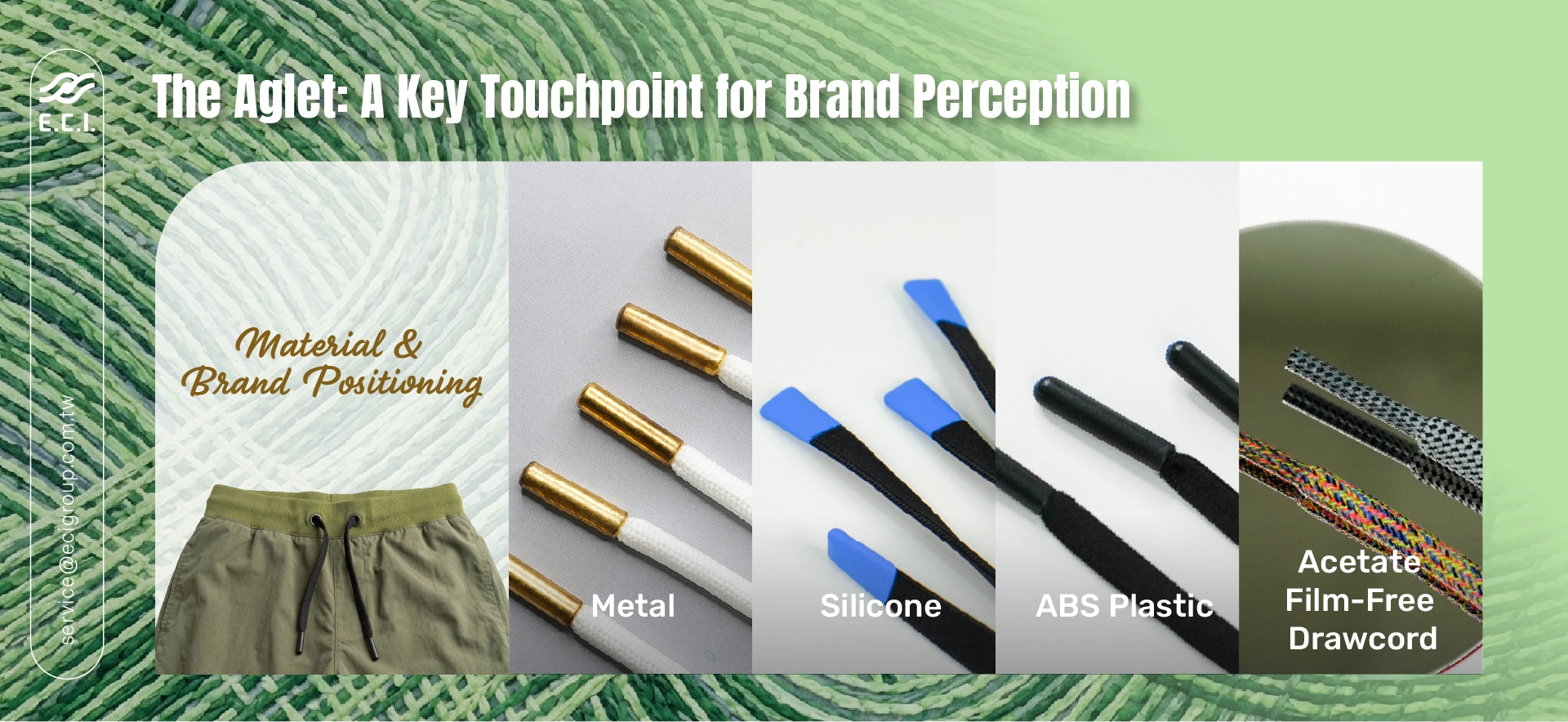
If the cord handles function, the aglet handles perception. It is often the first component a consumer physically touches — and the detail most likely to signal whether a brand takes quality seriously.
1. Material & Brand Positioning
- Metal: Substantial weight and sophisticated appearance; ideal for High-end/Luxury brands.
- Silicone: Skin-friendly, lightweight, and highly customizable in color; ideal for Performance Sportswear.
- ABS Plastic: Lightweight, durable, and cost-effective; ideal for the Mass Market.
- Acetate Film-Free Drawcord: Minimalist and lightweight; ideal for Sustainability-focused or Minimalist brands.
- Screen Printing: Ideal for displaying brand colors or logos; targets Streetwear & Urban trends.
- Laser Etching: Precise, subtle, and permanent; ideal for Premium/Luxury branding.
- Multi-color Silicone Dipping: Supports gradients or color-blocking; ideal for Activewear & Youth culture.
Case Studies: Global Brand Strategies
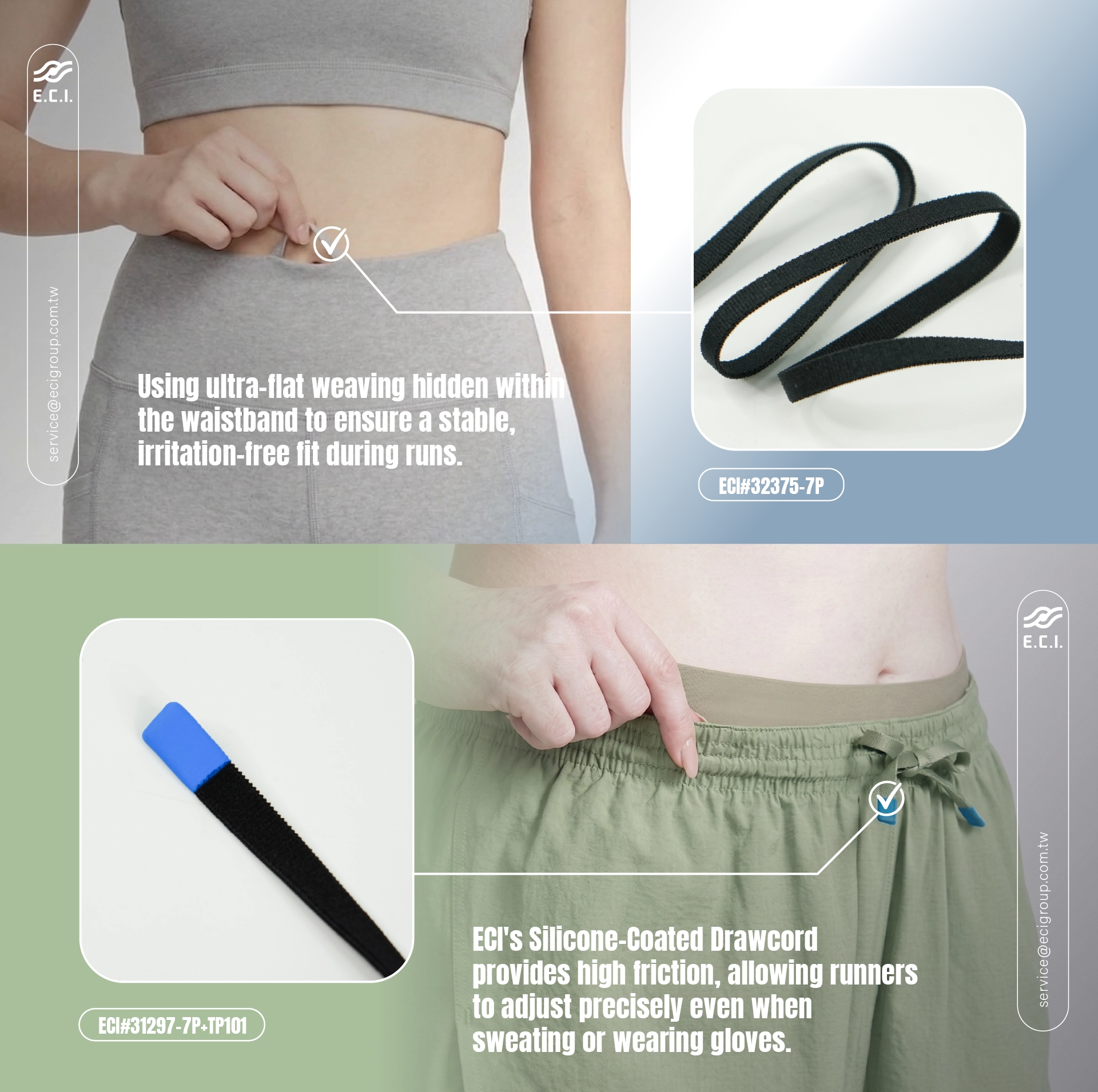
- New Balance (Training Series): Aiming for a "weightless" experience. Using ultra-flat weaving hidden within the waistband to ensure a stable, irritation-free fit during runs.
- Janji (Outdoor Running): Designed for extreme environments. ECI’s Silicone-Coated Drawcord provides high friction, allowing runners to adjust precisely even when sweating or wearing gloves.
- Performance Footwear: Developed low-stretch, high-abrasion structures for running and hiking to ensure the fit remains consistent over long distances.
Sustainable Design: The New Standard for Development
For most development teams today, sustainability is a baseline requirement, not a differentiator. ECI meets it without trading off performance:
- Recycled materials: We are GRS certified and also use GRS-certified recycled fibers and eco-friendly coatings across our drawcord range.
- Performance parity: Eco-friendly constructions are tested to match the hand-feel, tensile strength, and colorfastness of virgin material equivalents — verified against ASTM D6775 and AATCC TM8 standards.
- Material traceability: We provide full documentation to support green procurement and marketing claims for design and sourcing teams.
Development FAQ
Q: Can flat and round cords be used on the same product?
Yes — and it often makes sense too. Different zones have different functional demands. Flat cords suit waistbands where comfort against skin is the priority; round cords suit hoods and adjustment points where structure and shape through eyelets matter more.
Q: Can aglets and cords be customized together?
Absolutely. ECI offers integrated development across both components, ensuring materials, colors, and finishing techniques are aligned from the start rather than reconciled at the end.
Q: How do you ensure durability and colorfastness?
We follow ASTM D6775 for breaking strength and AATCC TM8 for colorfastness to rubbing (dry and wet), ensuring no staining on main fabrics across the product's full wear lifecycle.
A precisely crafted aglet can make a consumer take a second look before putting a garment back on the rack. If you're developing a new collection and want to make sure that moment lands, contact the ECI team, we'll help you get the details right.

OTHER NEWS
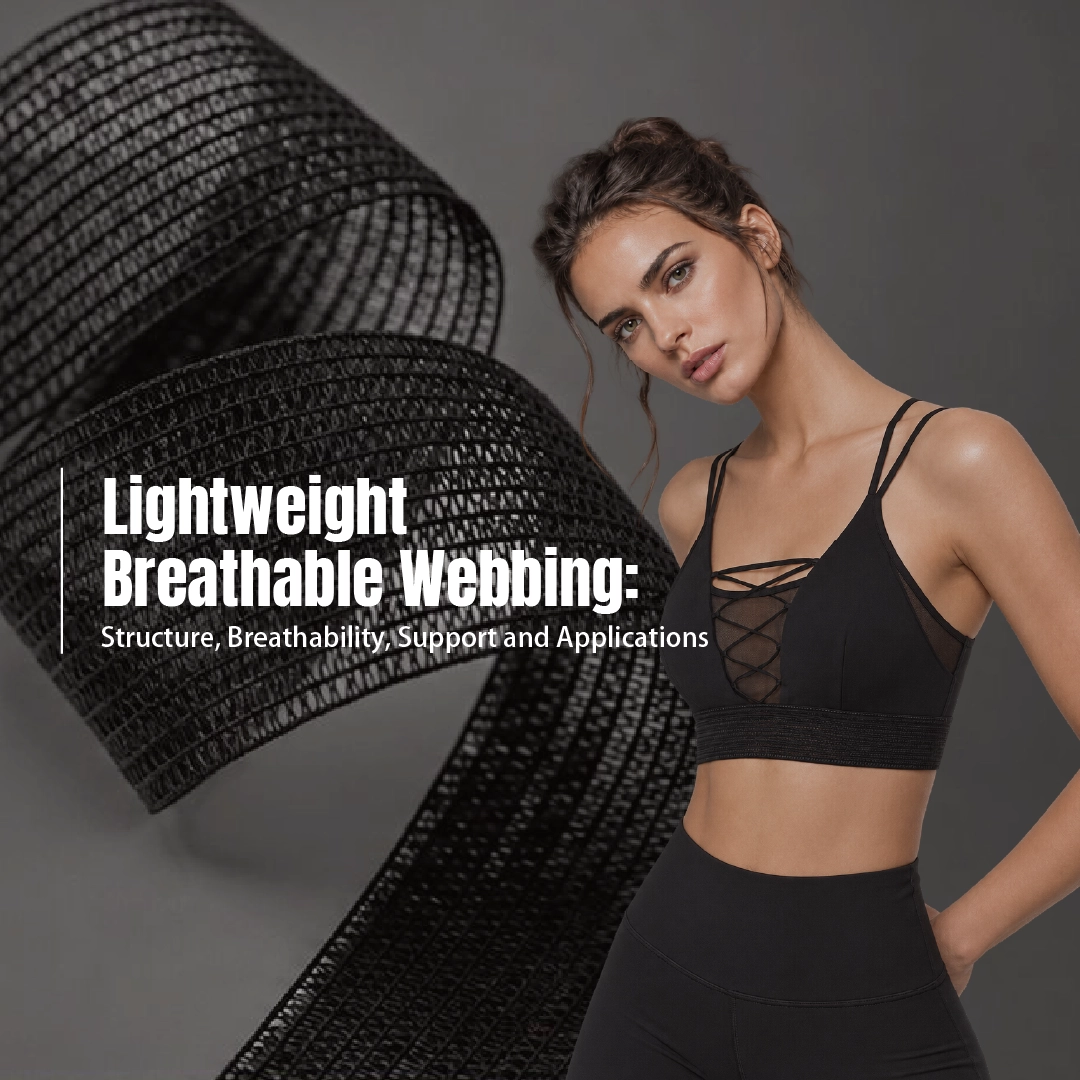
Lightweight Breathable Webbing: Structure, Breathability, Support and Applications
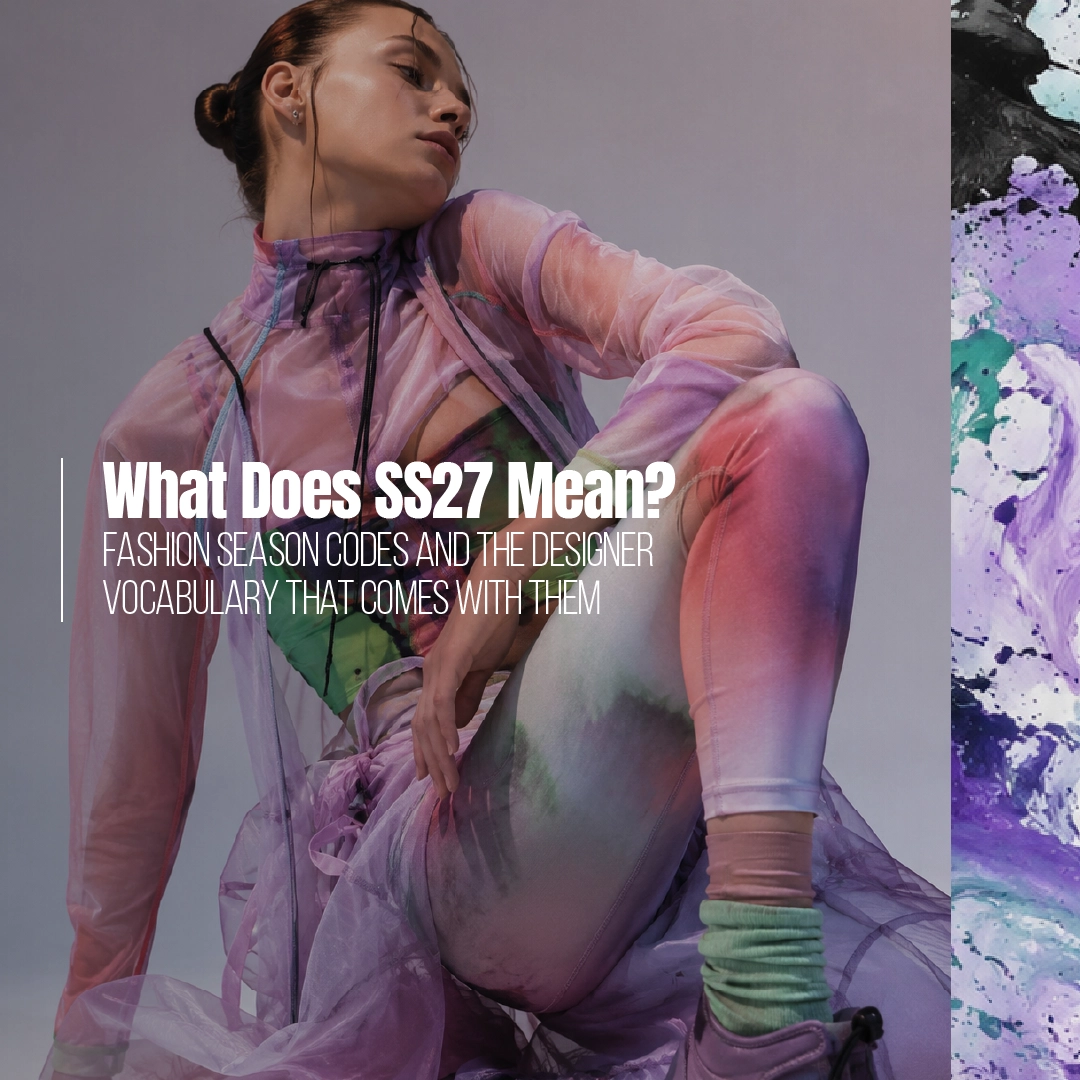
What Does SS27 Mean? Fashion Season Codes and the Designer Vocabulary That Comes With Them